
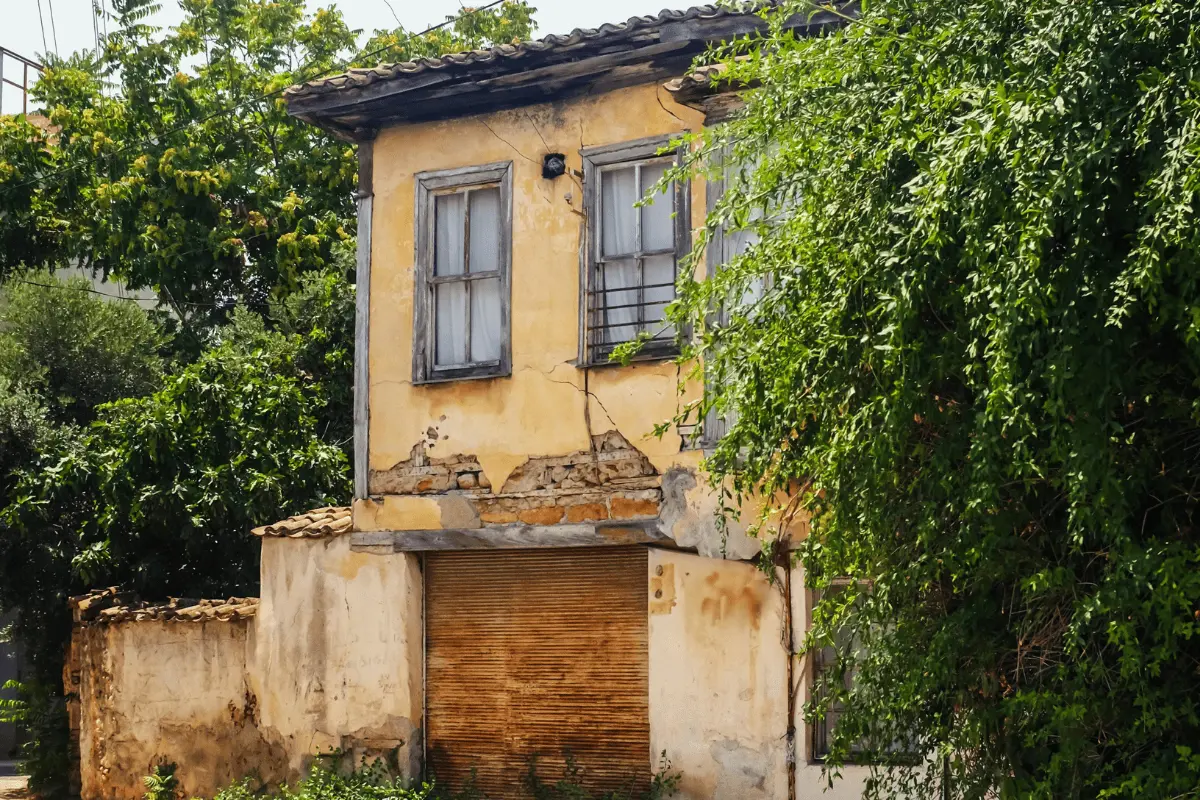
The land that a house sits upon sometimes has greater value than any improvements made to the structure itself. If you have a “teardown” (a home whose condition has deteriorated to such an extent that it is no longer useful or functional) you may feel that you are stuck, especially if you have been advised to make necessary improvements to the home for sale. However, if you are selling a teardown, that advice may actually be the worst thing you can do.
Finally, prospective buyers looking for a teardown property do not care about the colour of your walls or the style of your flooring. They are primarily concerned with the size and shape of your lot, how your lot is zoned, and how they will use the property once purchased. Below are guidelines to help you sell a teardown property without spending unnecessary money on inappropriate renovations that you will never recover.
1. Stop the Repairs
Many homeowners find it extremely hard to believe this. Our homes are a reflection of our styles; therefore, when selling them, we take time and care to declutter, stage, and repair leaky faucets. For teardowns, stop doing those things.
If a buyer wants to tear down what is currently there, they have no interest in how your carpet looks or if the exterior paint is chipping. They will be paying for only the land and the “buildable footprint.” Any dollars you put into repairs will probably not be recovered when you sell, and should not be put into repairs now. Hold on to your money, because the right buyer is looking for an empty canvas to build their dream home!
2. Shift Your Marketing Focus

When you are listing your real estate, you should not be trying to find a family that is going to move into their new “forever home” tomorrow; instead, you should be looking for a developer, builder, or investor who has an interest in building and recognises the true worth of the land itself, rather than just the home that is currently built on it.
You should have discussions with buyers and/or list your property focusing on the “vital statistics” related to the land, rather than just the house, including information such as:
- Lot Size & Dimensions – How much land is available for building?
- Zoning Regulations – What does the municipality allow to be constructed on the property? Can a duplex be constructed? Or a larger single family home?
- Location – Is the property located in a highly desirable area where there is little available new construction?
3. Understand Your “As-Is” Value
Compared to standard homes, appraising a teardown is done differently than appraising a standard home. In appraising a teardown, “comps” (comparable homes) that have been renovated and sold cannot be fairly used; however, the price of undeveloped lots in the local area should be looked at for appraising a teardown.
Buyers will usually include in their offer price the estimated demolition costs for the prior structure. The demolition of an old building requires time, money, and permits. A savvy buyer will consider the total cost of these three activities as part of their offer price; therefore it is essential that you have a reasonable understanding of what value you place on your land in order to minimise any unrealistic expectation you may have.
4. Work with Professionals Who Know Land

Real estate agents who are experienced in selling charming homes located in the suburbs often do not know how to properly market a property for future development; you need someone who speaks the languages of both builders and investors. The right person will know where to obtain zoning information, understand how much demand exists locally for new construction, and have the ability to market the opportunity appropriately to obtain an acceptable price.
Conclusion
Selling your Teardown can be a simple, stress-free process of having to go through inspections, losing sales due to requests for “repairs,” or having a long list of things that you never intended to actually do. The first step when you are certain your property meets the criteria of a teardown is to find a buyer who specialises in that type of property.
An alternative to going through Listing processes, agents, and all of the uncertainty is to work with a company like AJ Buys Houses. We buy homes in “As is” Condition which means you don’t have to do anything before your sale. It doesn’t matter if it’s a complete wreck or just an old house, we can help you see the value of the land. If you are ready to sell and move on, contact AJ Buys Houses and learn how we can provide you with a straightforward, direct cash sale, which can help you begin your next adventure.
FAQs
Is my house really a teardown, or does it just need some love?
When the cost of major structural repair work exceeds the eventual market value of a residence, it can be considered a teardown. This will also occur when there is an extremely high land value and developers will desire to construct an entirely new and up-to-date home rather than renovate.
Do I need to clean out the house before selling it as a teardown?
If you have a traditional type of buyer, it’s likely they want to get the product without anything inside. But, if you’re selling directly to a cash buyer or development company, they may be willing to take the product “as is.” When dealing with cash or development buyers, you don’t have to worry about the cost of removing any items from the inside (like junk or furniture), because they will include these costs in their own demolishing costs.
Will the city let a buyer actually tear down the house?
In general, the answer is yes; however, the answers to these questions ultimately depend upon the specific laws and codes in your area regarding historic preservation and zoning. If your home is located within a designated area that has been deemed an “historic district” or has already been assigned as a “landmark” then there may be total prohibitions against demolishing anything on the property.
How much does it actually cost to tear down a house?
The cost to demolish a regular single-family home varies generally from $10,000 to $25,000, based on the size and materials of that home. If the property additionally requires special environmental cleaning of hazardous materials such as asbestos or lead, the removal price will increase substantially.