

It is very aggravating to discover that your home will be sold at an auction. You may feel as though time is running out, and it can cause you to become frozen with anxiety. But here is what you must remember right now: you have rights, and you have time.
You can implement several proven legal methods to, at any time before the auctioneer’s gavel drops, stop a foreclosure from occurring and retain your equity. Below is a detailed description of how to vacate a scheduled auction and recover your financial future.
1. Request a Loan Modification
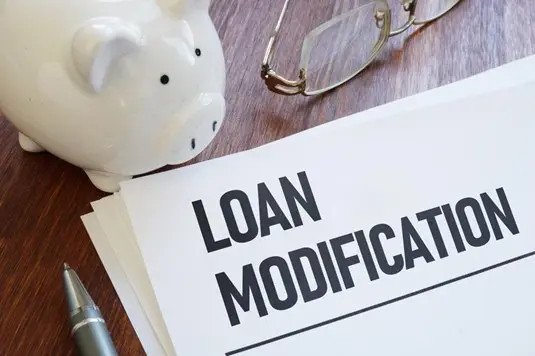
Lenders do not want to repossess your home; foreclosures and sales are costly and time-consuming for banks. As such, many banks provide programs designed to assist borrowers in avoiding default on their loans through “loss mitigation.”
A mortgage modification is a change made to the original loan terms to make monthly payments easier to manage. Modifications may include reducing the interest rate, extending the time of the mortgage, or rolling the balance of past-due items into the final payment of the mortgage; however, the lender frequently suspends the foreclosure process as soon as they receive your request to enter the modification process.
2. File for Chapter 13 Bankruptcy
When you are just days away from an auction and have no other way out, filing for Chapter 13 bankruptcy immediately triggers an Automatic Stay.
The Automatic Stay is a very effective legal action that will stop all collection activity including foreclosure sales and auctions immediately.
With Chapter 13 you will have an approved repayment plan from the court that will allow you to pay back the missed mortgage payments over a 3 to 5-year period so you can keep your home on a permanent basis.
3. Explore a Short Sale
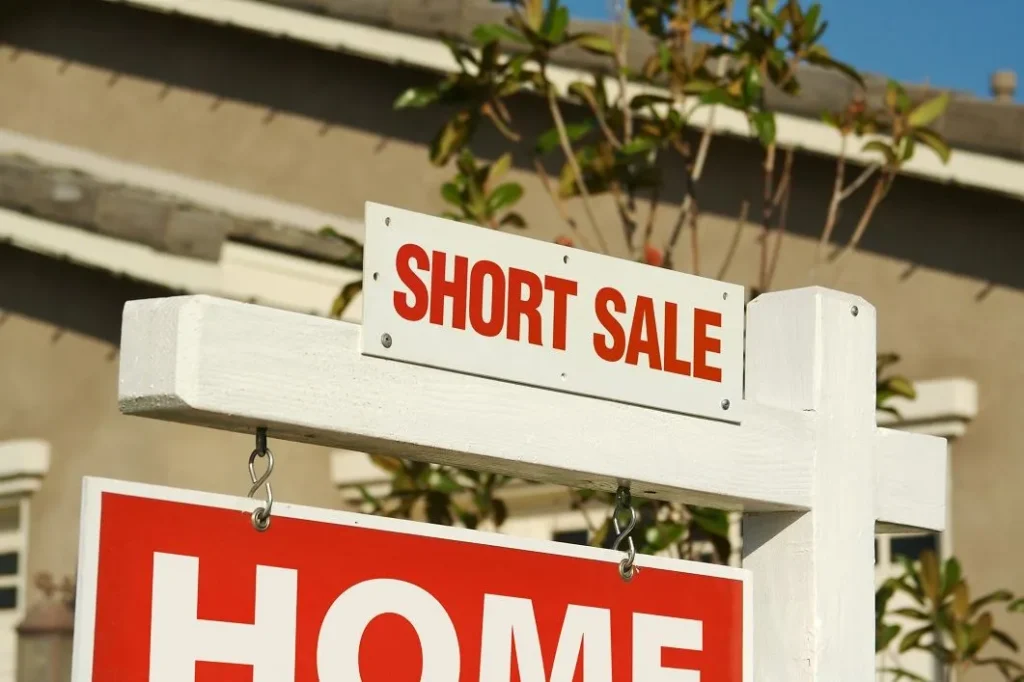
If your home is worth less than the amount owed on, it may be a good option to sell the property as a Short Sale. A Short Sale is an agreement between you and the lender to allow you to sell the house for less than the outstanding balance on the mortgage.
While a Short Sale does affect your credit history, it will have much less of an impact than a foreclosure auction will have on your credit report, and you will not have any unpaid judgments resulting from the sale of the home.
4. Sell the Home Fast for Cash
If you own your home and have equity in it then the fastest way to get an auction stopped is to sell your property before the auction date. If you sell your house to a buyer who can close quickly, then you will have the funds available from the sale to pay off the lender in full and stop the auction, and any cash remaining will go into your pocket.
Conclusion
While facing foreclosure may be an emotional calamity, failing to take action will surely cause you to lose your home. You can either approach your bank about getting a loan modification or file for bankruptcy, which would give you time to potentially sell or refinance your current house. However, by taking action immediately, whether it is to negotiate, file for bankruptcy or to sell, you will be able to gain control over your future.
For many homeowners, the least stressful way of getting out from under the stress of foreclosure is through a quick cash sale. Companies such as AJ Buys Houses buy houses for cash in less than 10 days, giving the seller the funds they need to be able to pay off any existing mortgages and stop the foreclosure auction from taking place. Contact your local cash property buyer today to obtain your options before time runs out.
FAQs
Can I really stop a foreclosure auction at the very last minute?
While it may be possible, you start to run out of options as you get closer. For example, if you are within a couple of days of the auction, most traditional methods would not allow you enough time in which to negotiate a loan modification before the bank processes your paperwork, since banks typically take several weeks to process paperwork. Without a doubt, your quickest option at this late stage to stop the sale is to file for bankruptcy as this would create an “automatic stay” on the sale of the property. On the other hand, if you found a cash buyer with verified cash funds you could get your lender to approve a short extension of time so that the sale could proceed.
Will selling my house to a cash buyer ruin my credit as a foreclosure would?
No, not really—actually it helps to maintain your credit rating. When you have a foreclosure auction occur, it is one of the most harmful reports that can be reported against your credit history; it usually drops your score anywhere from 100 to 150 points and stays on record for 7 years. If you find a cash buyer for your house, you will use the cash to pay off the loan and your bank. The credit bureaus will view this as “paid,” and therefore protect your credit rating and ability to purchase another property in the future.
What happens if my house sells at auction for more than I owe?
Your right to surplus funds is legal; therefore, if you owe $200,000 and an auction sells your property for $250,000, then you are entitled to $50,000 in surplus funds minus any fees and/or additional liens attached to the property. Unfortunately, the bank typically does not automatically send you your surplus funds by check – you must usually file a claim with the county or court to recover those funds, and there are strict time limits to do so.
Can the bank still come after me after the house is sold at auction?
There are states that allow this to occur through the process called “deficiency judgment”. To elaborate, in the example of a home being sold at auction for less than what the homeowner owed on the mortgage, the bank could seek to recover the difference from the homeowner. If the homeowner had a mortgage balance of $250,000 and the highest auction bid was $200,000, the bank could file a lawsuit against the homeowner to recover the remaining $50,000. This is a primary reason many homeowners try to short sale or complete a quick cash sale prior to the auction; many lenders will agree to waive the deficiency as part of a short sale transaction.