
Finding out that your cellar is underwater can feel very daunting, especially when you consider all of the work involved in cleaning up and repairing damage. The concern of many property owners who have experienced a flood in the basement is whether it is now even possible to sell their house. The answer is “no” to the first part of the question because of the manner in which a flood will not be a deal-Killer when selling your home, but it will take some planning to ensure that it happens in an orderly and successful manner.
Here in this blog we give you proper information about how to sell a house after basement flooding. So stay tuned with this blog.
Assess the Damage First
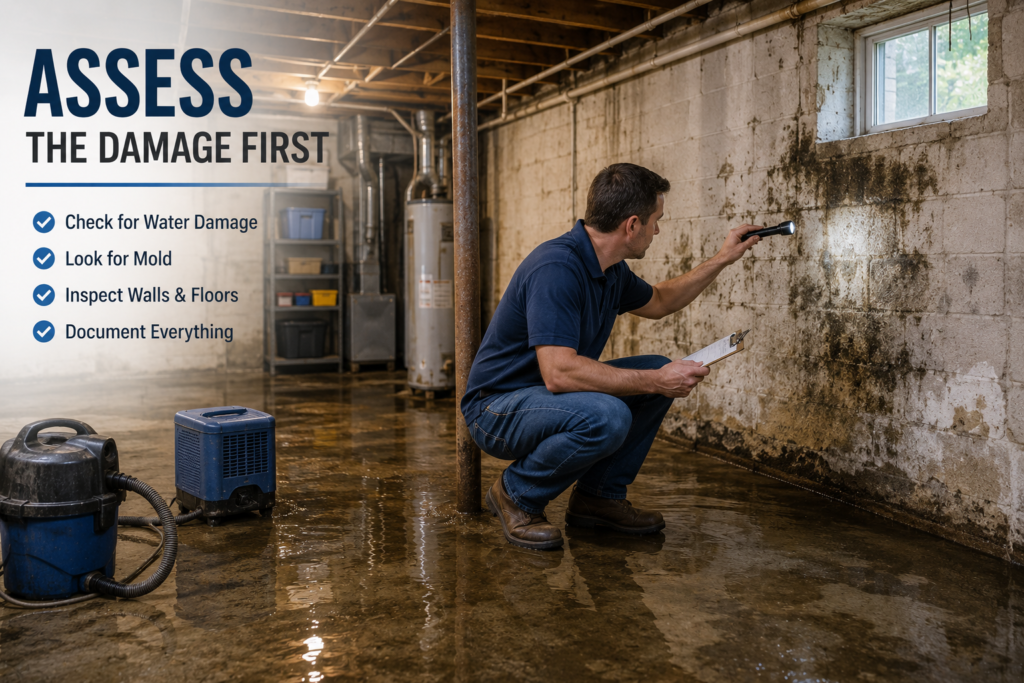
If you choose to sell your house, first, do research into how severe this flooding situation is. Has it been caused by one incident (i.e., a rainstorm), one event (i.e., a broken pipe), or an ongoing drainage problem? Understanding where it came from will allow buyers to ask about it and if there’s a risk of that happening again.
You can always hire a professional to evaluate the damage. Not only would they look at all areas (flood reports, photos, etc.) but also write up a detailed report stating whether repairs are needed or if the water damage was solely due to the flood. This gives new owners even more confidence to purchase your property!
Decide Whether to Repair or Sell As-Is
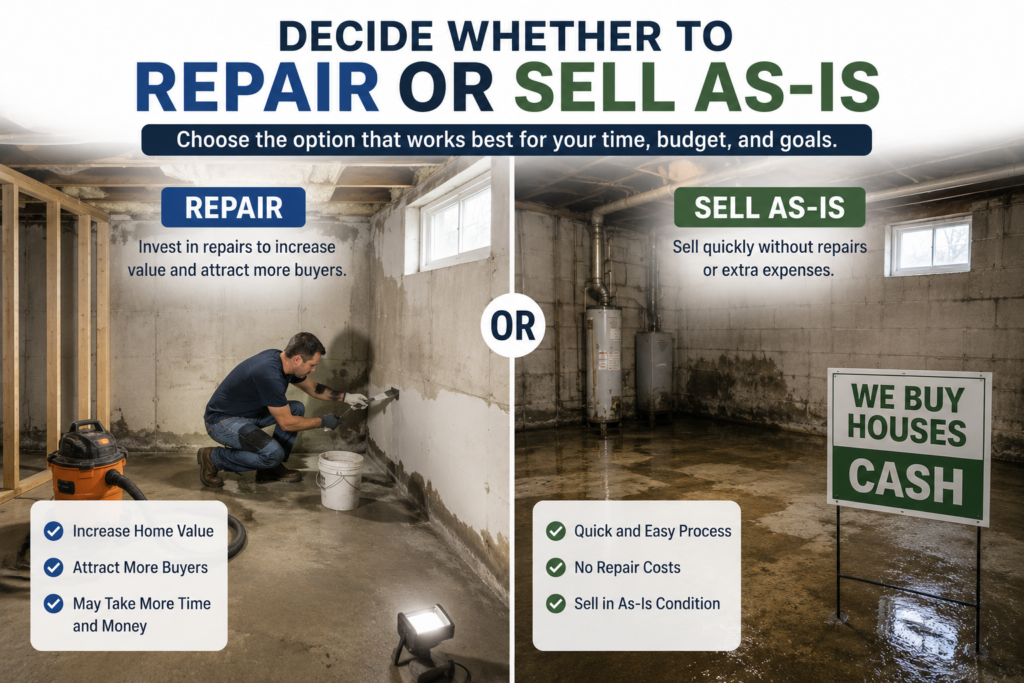
Deciding if you want to do any repairs before selling is one of the most important choices you’ll make. Repairing any water damage can improve the way the home looks and can sometimes help increase the home’s value. If you repair any damaged flooring, drywall, insulation, mould, or other issues in your home, it may help attract traditional buyers.
Alternatively, some homeowners choose to sell their home as-is. Selling a house as-is eliminates the need to do extensive repairs beforehand and saves time. It’s also typically less expensive to sell as-is versus fully restoring the house. While you may receive lower bids than you would on a fully restored house, selling as-is may be the best option if you want to get your house sold quickly.
Be Honest About the Flooding History
Disclosing past flooding in a home is very important when it comes to selling that property. In many regions, sellers must divulge certain known flood-related damage to their home prior to sale. Even if there are no explicit disclosure laws regarding flooding, full disclosure can help create trust between sellers and buyers and reduce the chances of future disputes.
If you have records (such as repairs, inspections and upgrades done to instruct the home to reduce the likelihood of future flooding), then provide those records for the buyer. Many good buyers like to have their documentation so that they can be confident in what condition the property is in.
Highlight Preventive Improvements
If steps have already been taken by you to prevent any future flooding, then be sure to mention this to prospective buyers at the time of sale. For example, installing a sump pump, upgrading the drainage system, or waterproofing the house. Repairs made to the foundation are very attractive selling features because they demonstrate your inclination to take measures against flooding before dealing with damage.
Price the Property Realistically
Having a basement flooding history when listing a residence makes pricing ever more so important. Check comparable homes that have sold in your location to get an idea of how to price your home; compare the likelihood of buyers wanting to buy your property due to its flooding history to see how it will affect the price you set on your home. If your price is realistic, it will draw in more possible buyers and allow your home to sell faster than if it had a more unrealistic price. Trusting real estate professionals with experience or cash home buyers can allow you to determine the best price for your home based on your personal circumstances.
Conclusion
Selling a house after having a flooded basement can feel daunting, but it is achievable through a solid plan. Whichever option you choose (repair or sell as-is), transparent communication, documentation of any repair or improvements made, and proper pricing can give you the assurance needed to be able to submit to the next step in your journey of homeownership. If you want an easy solution that allows you to quickly sell your house without worrying about any past water damage or current state of the property, AJ Buys Houses offers assistance to help realize a quick sale for any type of house.
FAQs
Can I sell my house if the basement has flooded before?
Yes, you certainly can. Many are sold each year successfully, even though they have basement flooding problems. The secret is to truthfully disclose that there has been a problem and to furnish information about the repairs and preventive measures taken.
Do I have to tell buyers about previous basement flooding?
Usually, yes. Most states have varying disclosure requirements, including whether sellers are required to disclose historical flooding or water damage. It’s usually a good practice to disclose any such issues. Disclosing flooding issues positively affects the seller-buyer relationship and significantly reduces the seller’s chances of being involved in a legal dispute in the future.
Should I repair the flood damage before selling?
Your goals and budget will determine whether or not to repair your home before selling it. While repairs can enhance your home’s appeal to potential buyers and increase the overall value of your home, selling “as-is” is often an option to save you time and money if you need to sell your home quickly.
Will basement flooding lower my home’s value?
If there is a history of flooding, the value of the property may be affected. However, if the cause of the flooding has been fixed or is not present when the home is sold, increasing the value of the property may be easier due to improvements and repairs being documented (including installation of drainage systems and waterproofing).